Why Minimalist Home Decor Is Reshaping How We Sell and Style Properties in 2026
Minimalist home decor transforms cluttered spaces into serene, functional environments by strategically removing excess and emphasizing quality over quantity. The approach centers on three core principles: intentional furniture selection, a restrained color palette anchored in neutrals, and disciplined editing of decorative objects to showcase only pieces that serve purpose or bring genuine joy.
The appeal extends beyond aesthetics. Simplified interiors reduce visual noise, creating calmer environments that many homeowners find easier to maintain and more pleasant to inhabit. For real estate professionals, minimalist staging has become a particularly effective tool because it allows potential buyers to envision their own lives in a space without the distraction of overly personalized decor. Clean lines and uncluttered rooms photograph well and tend to appeal across diverse buyer demographics.
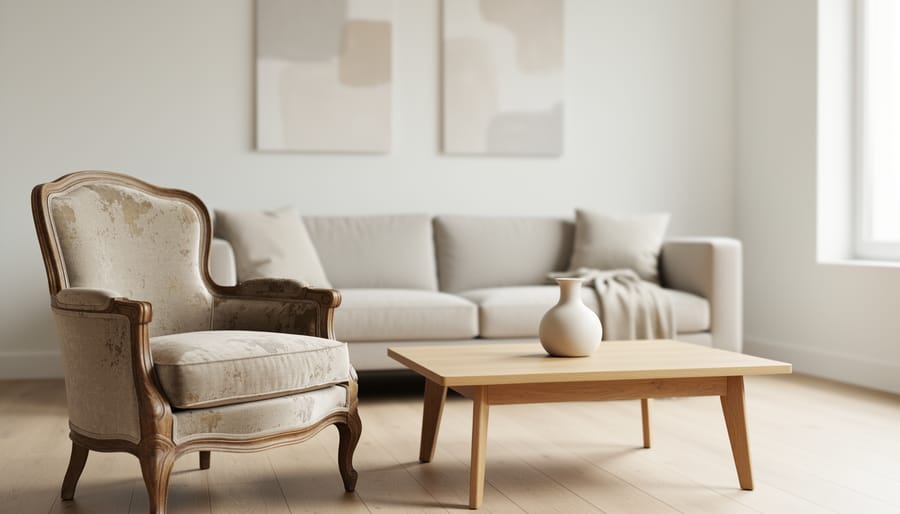
Budget considerations matter less than many assume. Minimalism doesn’t demand expensive designer pieces or complete room overhauls. The practice often begins with what you remove rather than what you purchase. A single well-chosen vintage chair can anchor a room more effectively than three mediocre ones, and editing down existing possessions costs nothing. When new purchases are necessary, investing in fewer, higher-quality items that will endure typically proves more economical over time than cycles of disposable furniture.
The international influence on minimalist design brings valuable perspective. Scandinavian hygge emphasizes warmth within simplicity, Japanese wabi-sabi celebrates imperfection and natural materials, and European modernism contributes structural clarity. These traditions demonstrate that minimalism adapts fluidly across cultures and climates, offering flexible principles rather than rigid rules.
Successful implementation requires collaboration between vision and practicality. Homeowners benefit from understanding their actual living patterns before eliminating storage or seating, while designers and stagers must balance aesthetic restraint with the functional needs of daily life or effective property presentation.
The Core Principles Behind Minimalist Home Decor
Minimalist home decor isn’t about creating sparse, uncomfortable spaces, it’s a deliberate design philosophy built on principles that actually enhance how properties present and how people experience them. Understanding these foundations helps explain why this approach has become so valuable for staging and styling across different markets.
At its heart, minimalism operates through four interconnected principles that work together rather than in isolation:
- Intentional Space Planning
- Every square foot serves a clear purpose. Rooms are arranged to showcase flow and function rather than filling voids, helping potential buyers envision their own use of the space without distraction.
- Functional Beauty
- Objects present must justify their presence through both utility and aesthetic contribution. This dual-purpose approach eliminates decorative clutter while maintaining warmth and visual interest.
- Quality Over Quantity
- Fewer, well-chosen pieces create stronger impressions than numerous mediocre items. In staging contexts, this principle often reduces costs while increasing perceived property value.
- Purposeful Editing
- Active curation determines what stays and what goes. This ongoing process ensures spaces remain focused on their best features rather than becoming repositories for everything that might work.
These principles translate directly to staging effectiveness because they address how buyers process spaces. Uncluttered rooms photograph better and appear larger in person. Carefully selected furnishings allow architectural features to stand out rather than compete for attention. The visual calm created by edited spaces lets viewers focus on the property itself instead of getting caught up in decor choices that might not match their taste.
What separates successful minimalist staging from merely empty rooms is the balance between reduction and warmth. The goal isn’t to strip away personality but to create a foundation that feels both aspirational and livable. This requires understanding which elements contribute to that impression and which simply add noise, a distinction that becomes clearer when you’ve worked across different property types and buyer demographics.
Why Property Professionals Are Turning to Minimalist Staging
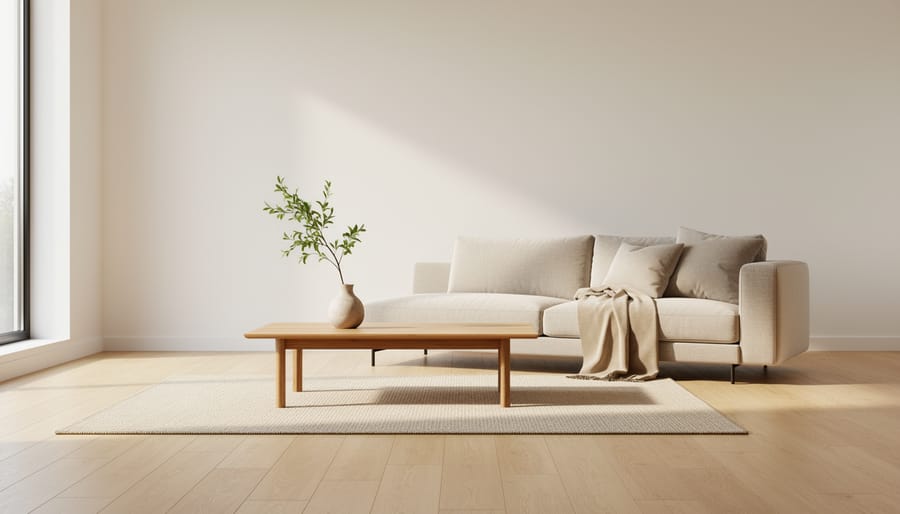
Property professionals have discovered that minimalist staging delivers measurable advantages in today’s competitive market. When a listing features clean lines, uncluttered surfaces, and intentional space, buyers decide faster because they can immediately envision themselves in the home. The absence of personal artifacts and excessive furnishings removes cognitive barriers, allowing prospective buyers to project their own lifestyle onto the space rather than mentally editing out someone else’s.
Photography has become the primary selling tool for residential real estate, and minimalist staging translates exceptionally well through a camera lens. Rooms with fewer competing elements photograph brighter, appear larger, and maintain visual coherence across listing platforms. A well-edited space creates the picture-perfect presentation that attracts online engagement and drives showings, which matters when buyers scroll through dozens of properties before scheduling a single visit.
Minimalist staging also solves a practical problem: budget. Traditional staging often requires truckloads of furniture and accessories, storage logistics, and extended rental periods. A minimalist approach uses fewer, higher-quality pieces, reducing transportation costs and installation time. This efficiency makes professional staging accessible to a broader range of sellers and investment properties where margins matter.
The rise of remote collaboration has accelerated minimalist staging adoption. A virtual styling service can guide property professionals through minimalist transformations using video consultations, digital floor plans, and curated shopping lists. This model works particularly well for minimalist projects because the simplified aesthetic translates clearly through digital communication, there’s less room for misinterpretation when you’re working with ten carefully selected items rather than thirty.
Agents working across multiple markets have found that minimalist staging appeals to diverse buyer demographics. Young professionals appreciate the modern aesthetic, downsizers recognize the practicality, and international buyers find the neutral palette culturally adaptable. This broad appeal matters in markets where properties sit longer or attract varied buyer pools. The universality of clean, functional spaces transcends personal taste in ways that heavily styled properties cannot.
Essential Elements of Minimalist Home Styling
Color and Material Choices That Work
Start with warm neutrals as your foundation, think cream, greige, soft taupe, and pale sand rather than stark white throughout. These tones create serenity while maintaining warmth, particularly important for staging spaces where buyers need to envision themselves living comfortably. A true white ceiling paired with warmer wall tones often works better than monochrome schemes.
Natural materials prevent minimalist spaces from reading as cold showrooms. Oak, walnut, or ash flooring grounds a room with organic texture. Linen upholstery breathes better than synthetic fabrics and develops character over time. Stone countertops, marble, granite, or terrazzo, introduce subtle pattern without visual noise. Wool rugs in solid tones add tactile richness underfoot.
Layer textures rather than colors to build depth. Combine smooth plaster walls with raw timber shelving, matte ceramic vases with polished brass hardware, or woven rattan chairs with velvet cushions. The interplay between rough and refined surfaces creates interest that pure minimalism often lacks.
Introduce selective contrast through black or charcoal accents, window frames, light fixtures, or a single statement piece. This anchors the palette and prevents the washed-out effect that undermines staging impact. For properties targeting international buyers, consider how light quality varies by region; northern exposures may need slightly warmer palettes to compensate for cooler natural light.
Material quality matters more than quantity in minimalist design. One well-crafted solid wood dining table outperforms three mediocre pieces fighting for attention.
Furniture and Spatial Arrangement
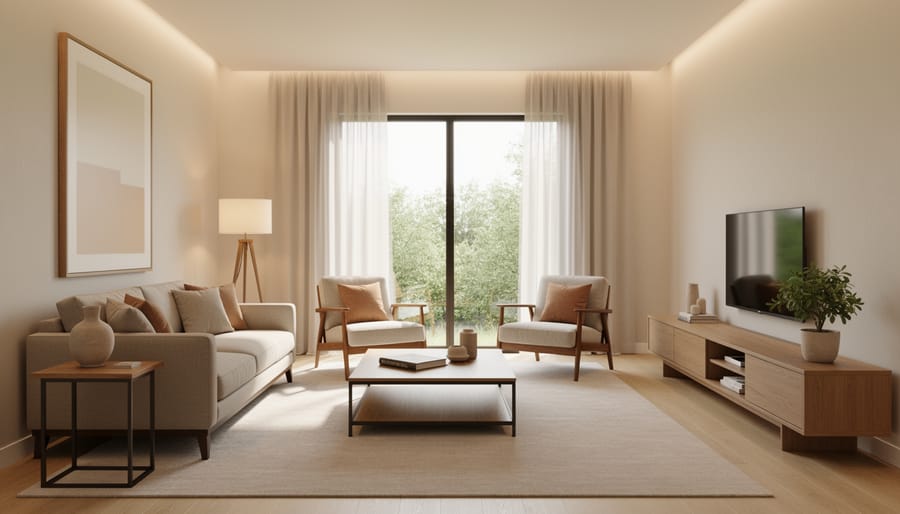
Successful minimalist furniture choices start with a single question: does this piece earn its place? In staging, every item competes for visual attention and physical space. A low-profile sofa with clean lines can anchor a living room while making the area appear larger than traditional overstuffed seating ever could. The same principle applies to dining tables, beds, and storage units, select furnishings that serve their function without dominating the room.
Scale matters more than quantity. One substantial piece often outperforms three smaller ones fighting for relevance. A statement dining table paired with simple chairs creates impact; cluttering the same space with a buffet, bar cart, and console dilutes the effect. When positioning furniture, pull pieces away from walls. Floating a sofa eighteen inches from the wall or centering a bed in a primary bedroom demonstrates usable space rather than hiding it.
Consider sightlines from entryways. The first view into any room should reveal flow, not obstacles. Arrange furniture to guide movement through the space naturally, creating pathways that feel deliberate rather than accidental. Avoid pushing everything to the perimeter, this staging instinct actually shrinks perceived space by creating a hollow center.
Storage furniture serves double duty in minimalist schemes. A sleek credenza conceals clutter while providing surface area for a single curated vignette. Open shelving works only when ruthlessly edited, display three objects, not thirty. The goal isn’t emptiness; it’s intentional composition where each element contributes to the room’s purpose and the property’s marketability.
Adapting Minimalism to Different Property Types
Minimalist home decor works differently depending on the property type, and understanding these distinctions helps you avoid a one-size-fits-all approach that falls flat.
Urban condos benefit most from vertical emphasis and transparent furniture. Limited square footage responds well to glass tables, wall-mounted shelving, and mirrors that expand perceived space without physical clutter. A single statement piece, a sculptural chair or oversized art, provides personality while maintaining breathing room. In these compact environments, every item must earn its place through beauty or function, ideally both.
Suburban homes offer more flexibility but present a different challenge: rooms can feel sparse rather than serene if you strip too aggressively. Here, minimalism succeeds through thoughtful zoning. Define purpose for each space with intentional furniture groupings rather than filling square footage. A living room might feature one substantial sofa and two accent chairs arranged around negative space, creating conversation areas that feel deliberate rather than empty. Layering textures, linen curtains, wool throws, ceramic vessels, adds warmth without visual noise.
Luxury estates require a calibrated approach where minimalism suggests refinement rather than restraint. High-end properties succeed when you everlasting decor styles with carefully edited modern pieces. Think museum-quality art on expansive walls, architectural lighting as sculpture, and statement furniture that commands attention through craftsmanship rather than quantity. The goal isn’t emptiness but restraint that lets exceptional materials and workmanship speak.
Investment properties present budget realities that make minimalism particularly practical. Clean lines and neutral palettes photograph well and appeal broadly, reducing time on market. Focus spending on quality flooring and lighting, two elements that elevate perceived value, while keeping furniture simple and scalable. A well-chosen neutral sofa costs less than constantly refreshing trendy pieces.
International applications demand cultural sensitivity. Some markets associate sparse interiors with incompletion rather than sophistication. In these contexts, mix old and new through carefully selected traditional elements within minimalist frameworks. A single antique cabinet or regional textile grounds the space in local context while maintaining overall simplicity.
Budget considerations apply everywhere: invest in fewer, better pieces rather than filling space with compromise furniture. One excellent dining table outlasts five mediocre ones.
The Minimalist Home Decor Conversation in 2026
The conversation around minimalist home decor in 2026 happens across multiple channels, from Instagram feeds showcasing serene interiors to professional forums where agents discuss staging ROI. Industry events play a crucial role in translating online inspiration into tangible design direction, offering spaces where homeowners can experience minimalist principles firsthand and professionals can evaluate how these approaches serve real property goals.
| Event Detail | Information |
|---|---|
| Event | The Living Luxe Design Show |
| Dates | April 17-19, 2026 |
| Location | Toronto Congress Centre, 1020 Martin Grove Rd, Etobicoke, ON |
| Scale | 150,000 sq. ft. |
| Focus | Residential styling innovations including minimalist design trends |
The Living Luxe Design Show, presented by JennAir Canada, represents one venue where minimalist design sits alongside broader residential styling conversations. Events like this allow property professionals to see how minimalist staging techniques compare with other approaches, assess material quality in person, and connect with styling services that execute these visions. For homeowners considering minimalist transformation, such exhibitions offer perspective on whether this aesthetic aligns with their lifestyle needs or property goals. The dialogue extends beyond any single event, social platforms, design publications, and client consultations all contribute to how minimalism evolves from trend to practical implementation strategy.
Common Pitfalls When Implementing Minimalist Design
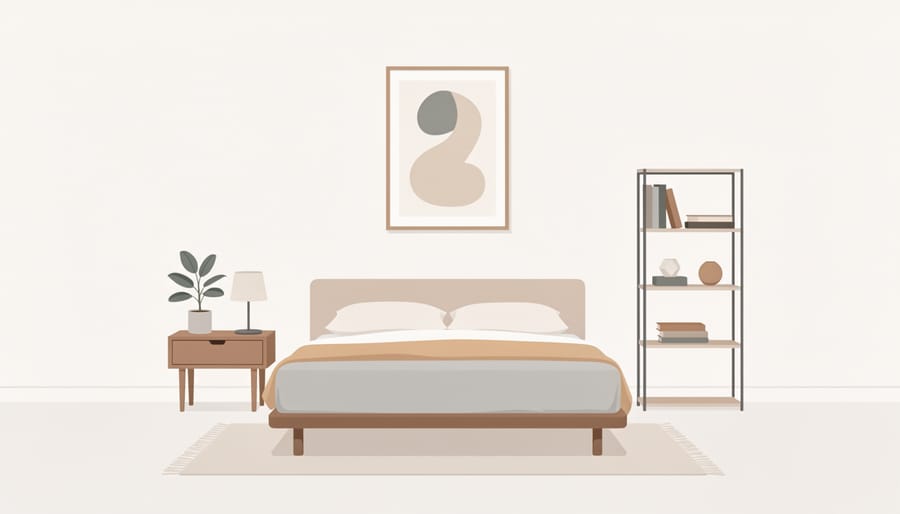
The most common misstep in minimalist design is confusing “empty” with “intentional.” Properties stripped of all character don’t feel serene, they feel unfinished, as though staging never happened. Real minimalism curates what remains, ensuring every piece serves a purpose and contributes to the spatial narrative. When a room lacks visual anchoring points or human warmth, potential buyers disengage rather than envision themselves living there.
Over-editing presents a different problem. Some staging teams remove so much that practical living becomes unclear. A kitchen with no accessories signals “showroom” rather than “home,” and bedrooms without bedside tables or lamps raise questions about functionality. Minimalism should clarify how spaces work, not obscure their utility. Include just enough to demonstrate purpose: a bowl of fruit, a reading lamp, a throw that signals comfort without clutter.
Personality often vanishes in pursuit of neutrality. While broad appeal matters for staging, spaces need warmth to feel inviting. This is where texture becomes crucial, linen curtains, a wool rug, wood grain visible on furniture. Incorporating aged and superior pieces can ground a minimalist palette without introducing visual chaos. A single well-chosen vintage accent or artisan object adds depth that mass-produced items cannot replicate.
The most damaging misconception equates minimalism with budget staging. Simply removing furniture to avoid rental costs creates sparse, unconsidered spaces. Effective minimalist design requires deliberate selection of higher-quality pieces that command attention through form and craftsmanship. Three substantial, well-placed items outperform six mediocre ones scattered throughout a room.
Professional stylists approach minimalism by addition through subtraction, determining what belongs before considering what to remove. They understand sight lines, scale relationships, and how negative space directs attention toward architectural features or key selling points. This expertise separates minimalism as strategic design from emptiness disguised as style.
Collaborating with Professionals for Minimalist Transformation
Achieving a genuinely effective minimalist transformation rarely happens by accident. Professional styling teams bring trained eyes for spatial proportion, material quality, and the subtle details that separate austere emptiness from serene elegance. When homeowners attempt minimalist decor without guidance, they often strip away too much or fail to curate what remains, leaving spaces that photograph poorly or feel unwelcoming in person.
Working with experienced stylists offers several practical advantages. Professionals can assess which existing furnishings deserve to stay and which undermine the aesthetic, saving money by identifying quality pieces worth highlighting rather than replacing everything. They understand lighting angles and camera sightlines for property photography, ensuring that minimalist staging translates effectively across digital marketing channels. For sellers and agents working across markets, a stylist’s international perspective helps calibrate the level of minimalism appropriate for local buyer expectations without sacrificing the clean aesthetic.
Virtual consultations have expanded access to expert curation, allowing property owners anywhere to receive detailed styling plans, mood boards, and actionable shopping guidance without geographic constraints. Many professionals now offer hybrid approaches: remote planning followed by on-site installation support, or periodic virtual check-ins during phased transformations. This flexibility suits both tight timelines and budget-conscious projects.
The value of collaboration becomes especially clear when balancing minimalism with functionality. A skilled stylist helps homeowners preserve practical storage, comfortable seating, and personal warmth while editing ruthlessly elsewhere. They know which rooms demand investment pieces and where affordable alternatives work perfectly well. For properties targeting sale or lease, professionals can stage spaces that feel aspirational yet attainable, striking the balance that converts viewers into buyers.
Minimalist home decor has evolved beyond aesthetic preference to become a calculated approach to property presentation. The homes that move fastest in today’s market aren’t necessarily the most heavily styled, they’re the ones where every element earns its place, creating environments that feel both spacious and intentional.
What separates effective minimalism from simply emptying a room is understanding how space, light, and carefully chosen pieces work together to guide a buyer’s eye and imagination. This distinction matters whether you’re preparing your own home for sale, advising clients on staging strategy, or developing properties with marketability in mind. The wrong approach leaves spaces feeling stark and unwelcoming. The right approach creates clarity that helps potential buyers envision themselves in the environment.
Professional styling brings this expertise to the equation, the ability to edit thoughtfully rather than drastically, to balance emptiness with warmth, and to adapt minimalist principles across different property types and cultural contexts. It’s a collaborative process that considers both immediate presentation goals and longer-term livability.
As you evaluate properties in your own portfolio or consider how to position your home in a competitive market, the question isn’t whether minimalist principles apply, it’s how to implement them with the precision that produces results.
Leave a Reply